
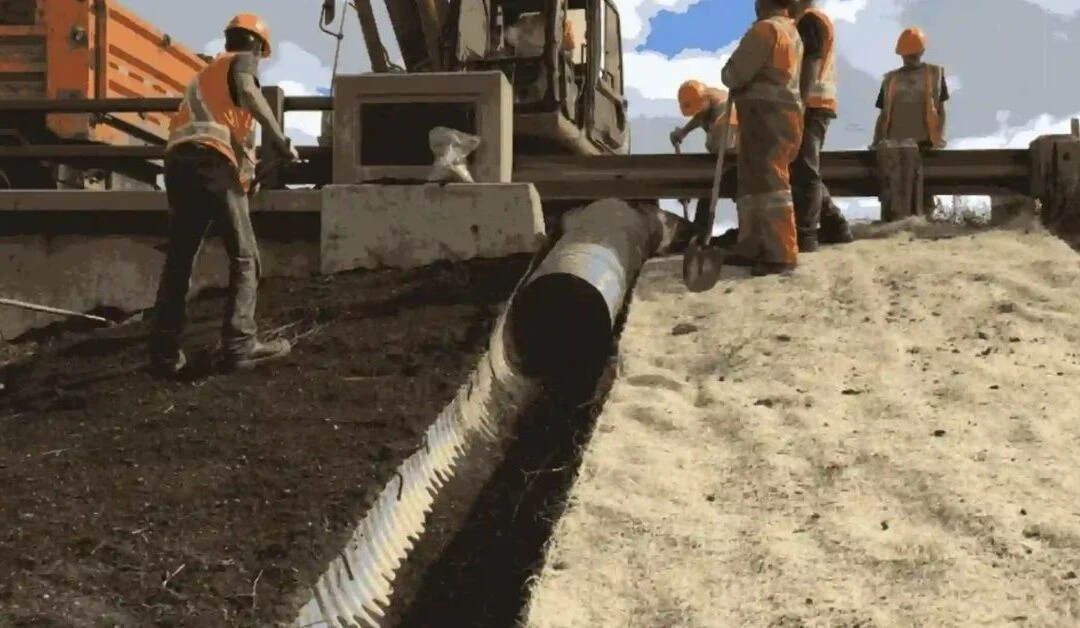
Strong infrastructure projects rarely fail during construction—they fail during planning.
As engineering consultants in Saskatchewan, we see the same planning mistakes derail projects across municipal, industrial, and private developments. The good news? Most of these issues are preventable with early guidance from professional engineers in Saskatchewan.
At Sevana Consulting Inc., we help project owners identify risks early, protect budgets, and design with long-term performance in mind.
Why Do Planning Mistakes Happen So Often?
Tight timelines. Funding pressure. Assumptions replacing data.
Many engineering planning mistakes begin when:
- Site conditions aren’t fully assessed
- Regulatory requirements are misunderstood
- Long-term growth isn’t considered
Once construction begins, these small oversights turn into major delays.
Are Feasibility Studies Skipped Too Often?
Yes—and it’s one of the most expensive mistakes.
A proper feasibility study evaluates:
- Land suitability and soil conditions
- Utility capacity and access
- Drainage and environmental constraints
- Realistic cost expectations
Skipping this step often leads to redesigns, budget overruns, or project cancellation.
Why Are Environmental Requirements Underestimated?
Saskatchewan projects often involve:
- Wetlands and protected land
- Drainage flow considerations
- Environmental compliance reviews
When environmental planning is rushed, projects face:
- Permit delays
- Added mitigation costs
- Regulatory setbacks
Working with professional engineers in Saskatchewan ensures environmental reviews are handled correctly from day one.
How Does Undersized Infrastructure Create Long-Term Problems?
Designing only for today—not tomorrow—is a common issue.
Undersized systems can cause:
- Flooding and drainage failures
- Service interruptions
- Expensive retrofits
Experienced engineering consultants Saskatchewan model population growth, climate impacts, and lifecycle costs to future-proof designs.
How Does Poor Communication Increase Risk?
Planning fails when assumptions replace alignment.
Without early coordination between:
- Developers
- Municipalities
- Engineering consultants
Projects suffer from scope changes, community pushback, and lost time.
Clear planning frameworks prevent confusion before it becomes costly.
How Engineering Consultants Reduce Planning Risk
At Sevana Consulting Inc., our planning support includes:
- Feasibility and site due diligence
- Municipal coordination and approvals
- Infrastructure and stormwater modeling
- Regulatory strategy and permitting
- Long-term lifecycle planning
Case Insight:
A municipal road upgrade avoided major drainage failures thanks to early hydrology modeling—saving months of delays and unplanned costs.
Learn more about our approach:
➡ About Sevana Consulting Inc.
https://sevanaconsulting.com/about-us/
What Happens If Planning Mistakes Aren’t Caught Early?
Ignoring early warning signs can result in:
- Budget overruns
- Lawsuits or compliance violations
- Safety hazards
- Delays stretching into years
That’s why partnering with knowledgeable engineering consultants in Saskatchewan is one of the most cost-effective decisions owners can make.
Planning Tasks and How Engineering Consultants Reduce Risk
| Planning Task | Why It Matters | What Can Go Wrong Without It | Sevana’s Role |
| Feasibility Study | Confirms if the project is viable | Cost overruns, redesigns, cancellations | Financial + technical risk review |
| Site & Soil Assessment | Identifies land constraints | Foundation failures, drainage issues | Geotechnical coordination |
| Utility & Infrastructure Review | Ensures connections and capacity | Service delays, surprise costs | Utility mapping + planning |
| Regulatory & Permitting Check | Keeps the project compliant | Fines, stop-work orders, delays | Permit strategy + submissions |
| Environmental Review | Protects against violations | Violations, remediation costs | Impact studies + mitigation |
| Drainage & Stormwater Planning | Prevents flooding and erosion | Flooding, damaged structures | Hydrology design |
| Cost & Schedule Forecasting | Keeps budgets realistic | Delays and overruns | Phasing + risk modeling |
Key Takeaways
- Planning mistakes usually happen before construction begins
- Feasibility and environmental studies save money long-term
- Infrastructure should be designed for future growth
- Early engineering input reduces risk and delays
- Trusted engineering consultants Saskatchewan protect investments
External Resources to Support Smarter Project Planning
Good planning starts with understanding the standards and regulations that shape infrastructure projects in Saskatchewan. The Association of Professional Engineers & Geoscientists of Saskatchewan (APEGS) outlines ethical guidelines and professional expectations for engineers across the province. Reviewing their standards helps project teams stay aligned with certified best practices:
The National Building Code of Canada supports engineers and planners in designing structures that are safe, durable, and ready for real-world conditions:
👉 Canadian Building Code Guidelines — https://nrc.canada.ca/en/certifications-evaluations-standards/codes-canada
FAQs
1️⃣ Why do projects fail at the planning phase?
Because key studies are skipped, assumptions replace data, and growth isn’t fully considered.
2️⃣ How can engineering consultants help early?
They assess land, utilities, drainage, and compliance before major investments are made.
3️⃣ Are feasibility studies worth the cost?
Yes — they prevent far greater expenses later.
4️⃣ Do regulations change frequently?
Yes. Working with professionals ensures your project stays compliant.
5️⃣ When should developers bring in consultants?
Ideally at the concept stage — not after design work is completed.
Quick Summary
Engineering projects in Saskatchewan often fail due to planning mistakes—not construction issues. Common problems include skipped feasibility studies, underestimated environmental requirements, undersized infrastructure, and poor early coordination. Engineering consultants in Saskatchewan help prevent these risks by evaluating site conditions, regulatory requirements, drainage systems, and long-term growth before construction begins.
Sevana Consulting Inc. supports municipalities and developers with feasibility analysis, permitting strategy, infrastructure modeling, and lifecycle planning. Early consultation reduces redesigns, budget overruns, and compliance issues—saving time and protecting investments. Smart planning isn’t optional; it’s essential for successful infrastructure development.